Pruning
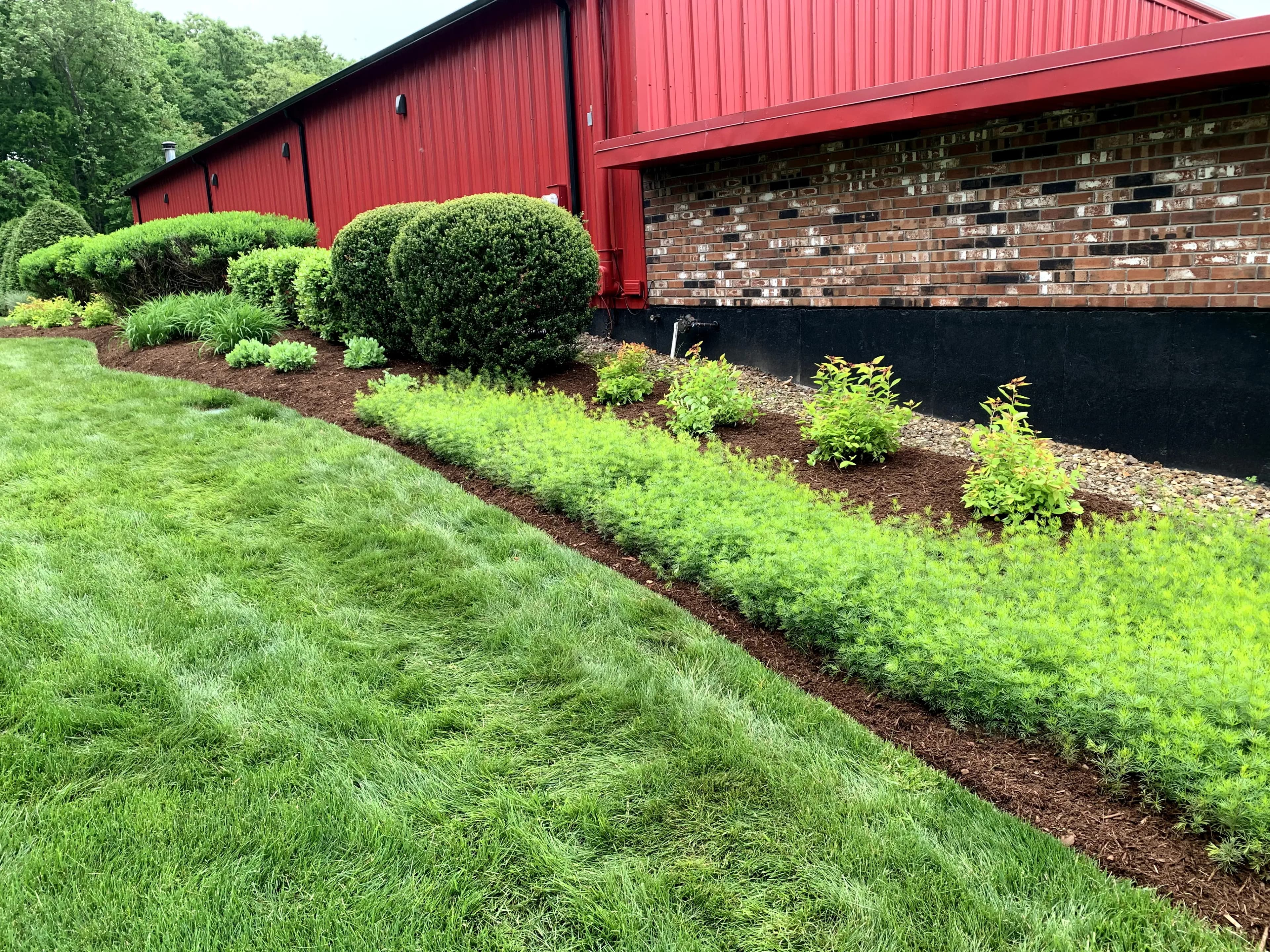
Pruning is the most skill-dependent maintenance task in landscape care. Done well, it preserves the natural form of the plant, encourages healthy growth, maintains proper proportion relative to the house and surrounding plantings, and keeps the landscape looking clean and intentional. Done poorly ??? or not done at all ??? it leads to overgrown shrubs blocking windows, misshapen plants that detract from curb appeal, dead and diseased wood that spreads problems to healthy tissue, and a yard that looks neglected regardless of how well the lawn is mowed. General Landscaping provides professional pruning services for shrubs, ornamental trees, hedges, and perennial plantings as part of our landscape maintenance programs or as standalone service visits.
Our Approach to Pruning
We prune with purpose, removing dead or crossing branches, maintaining clearance from walkways and structures, shaping growth to preserve the plant's natural habit, or rejuvenating an overgrown specimen that needs to be brought back into proportion.
What We Prune
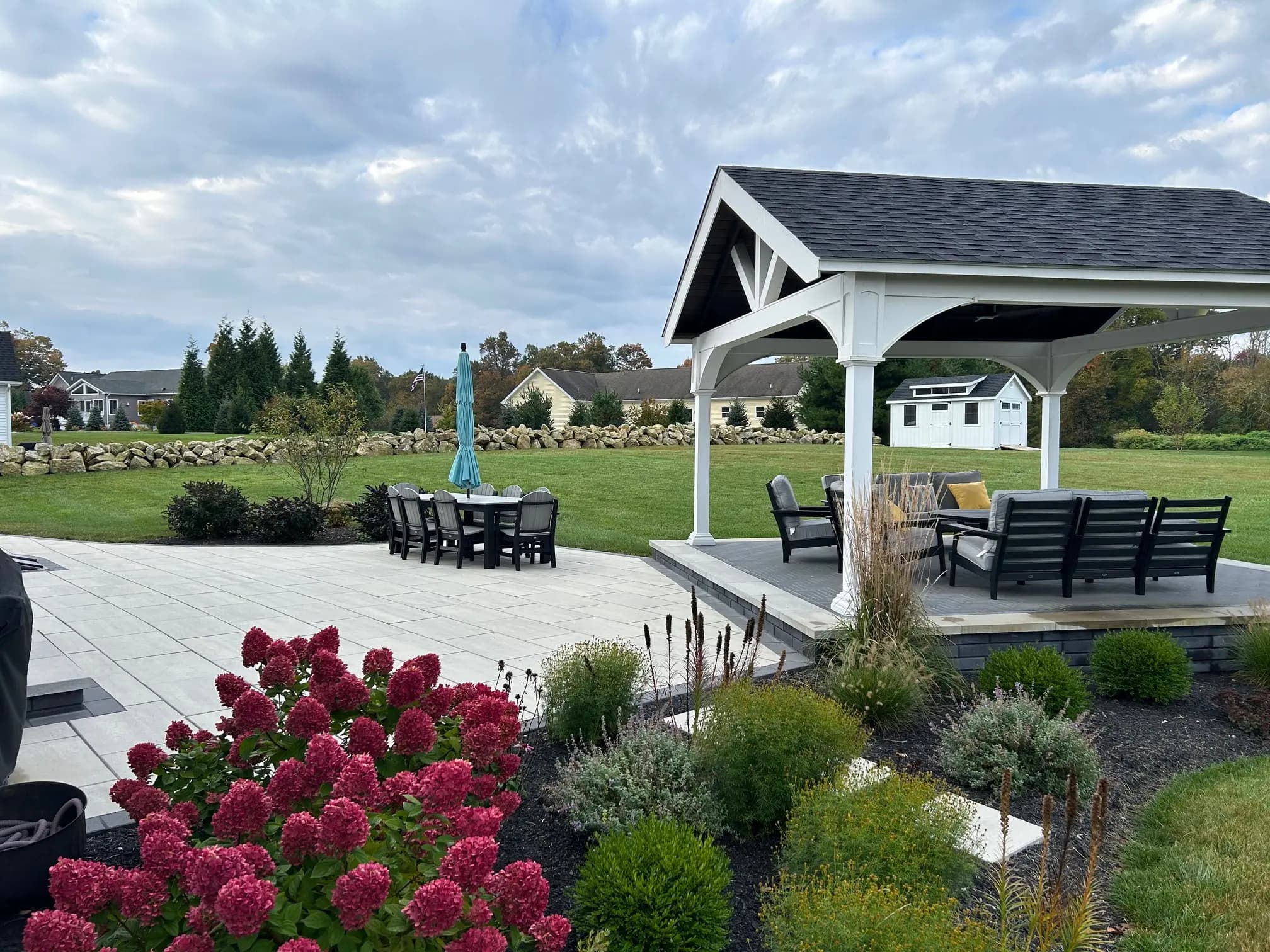
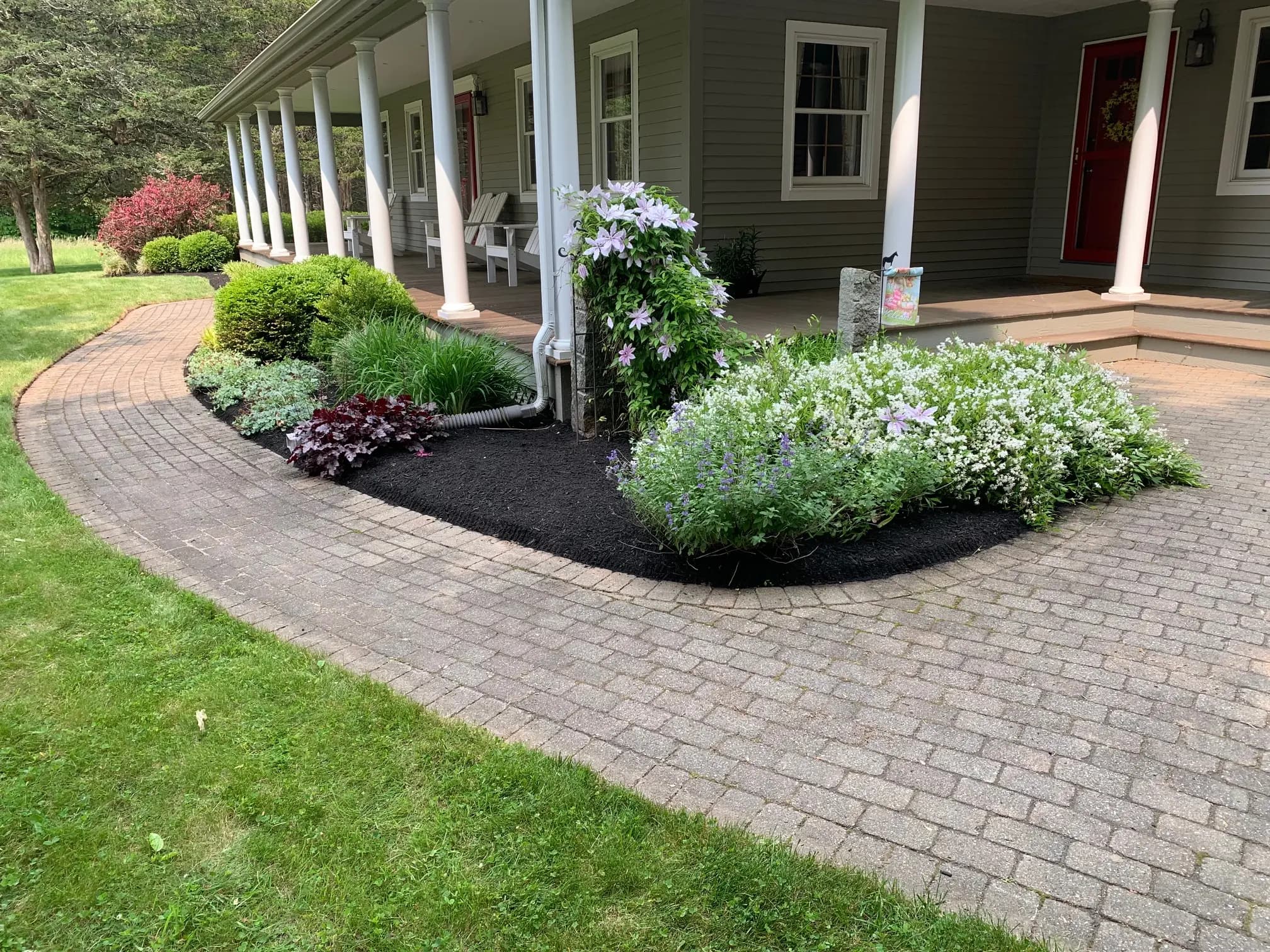
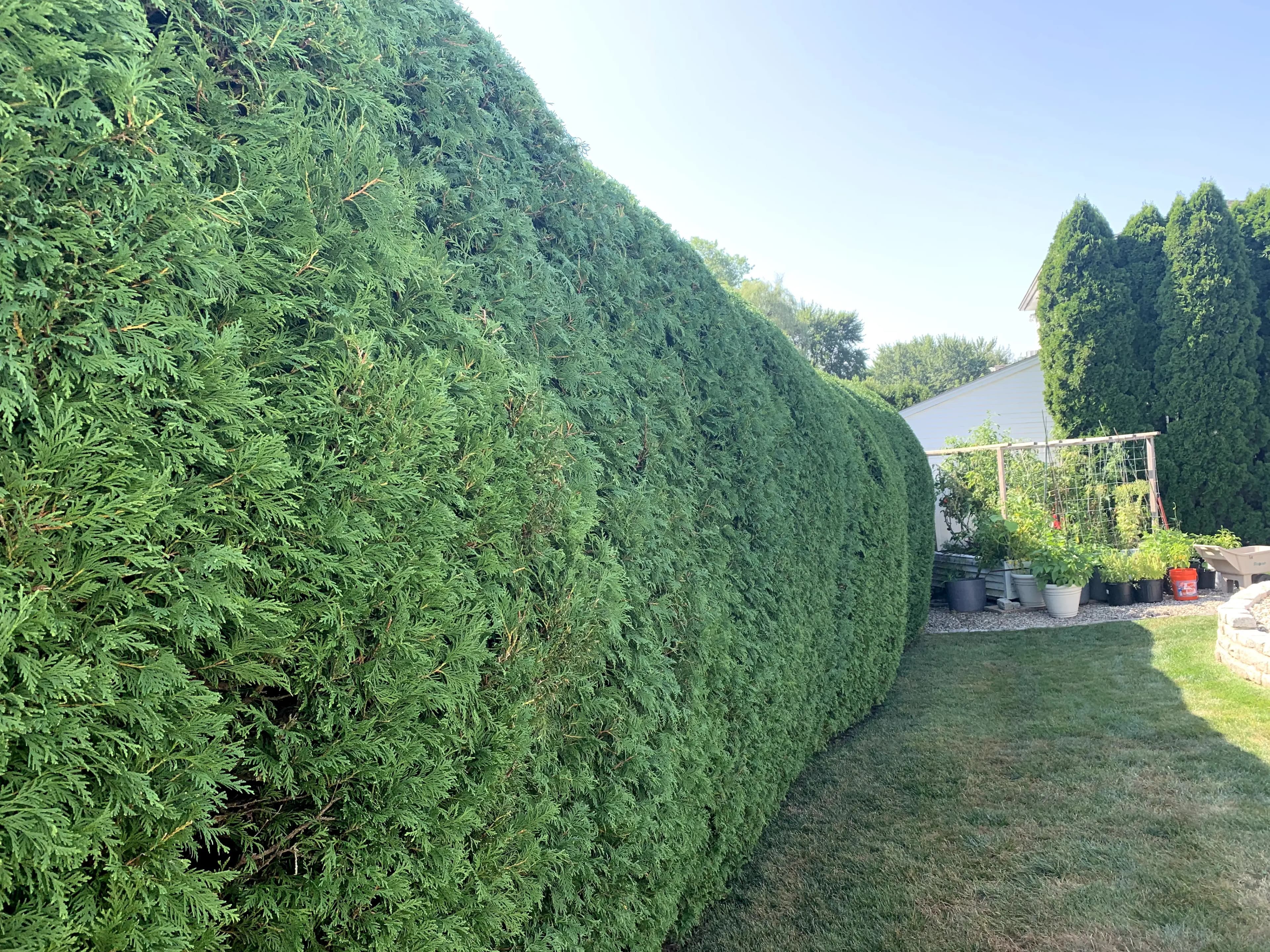
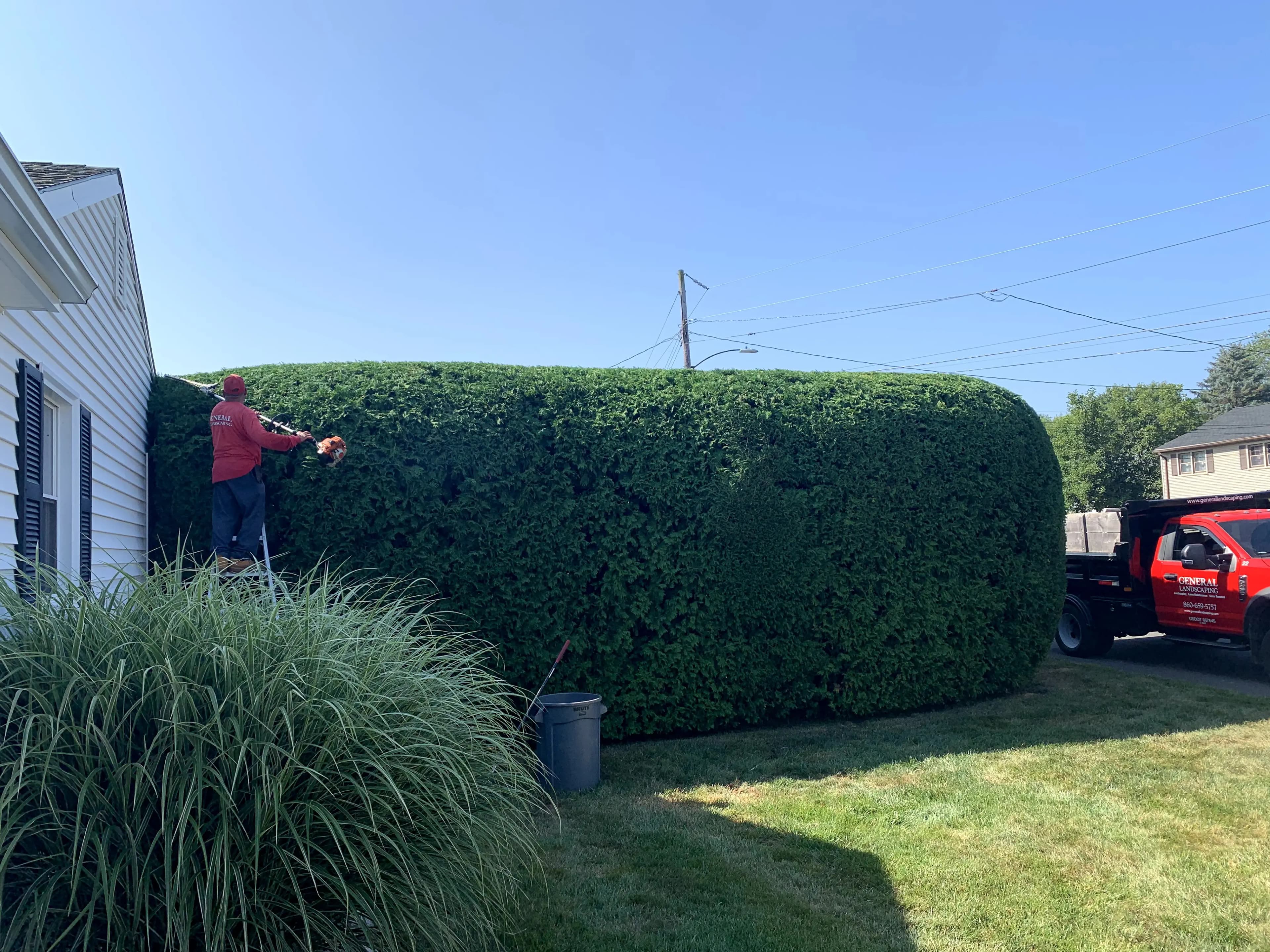
- Foundation shrubs including boxwood, holly, yew, arborvitae, and many more
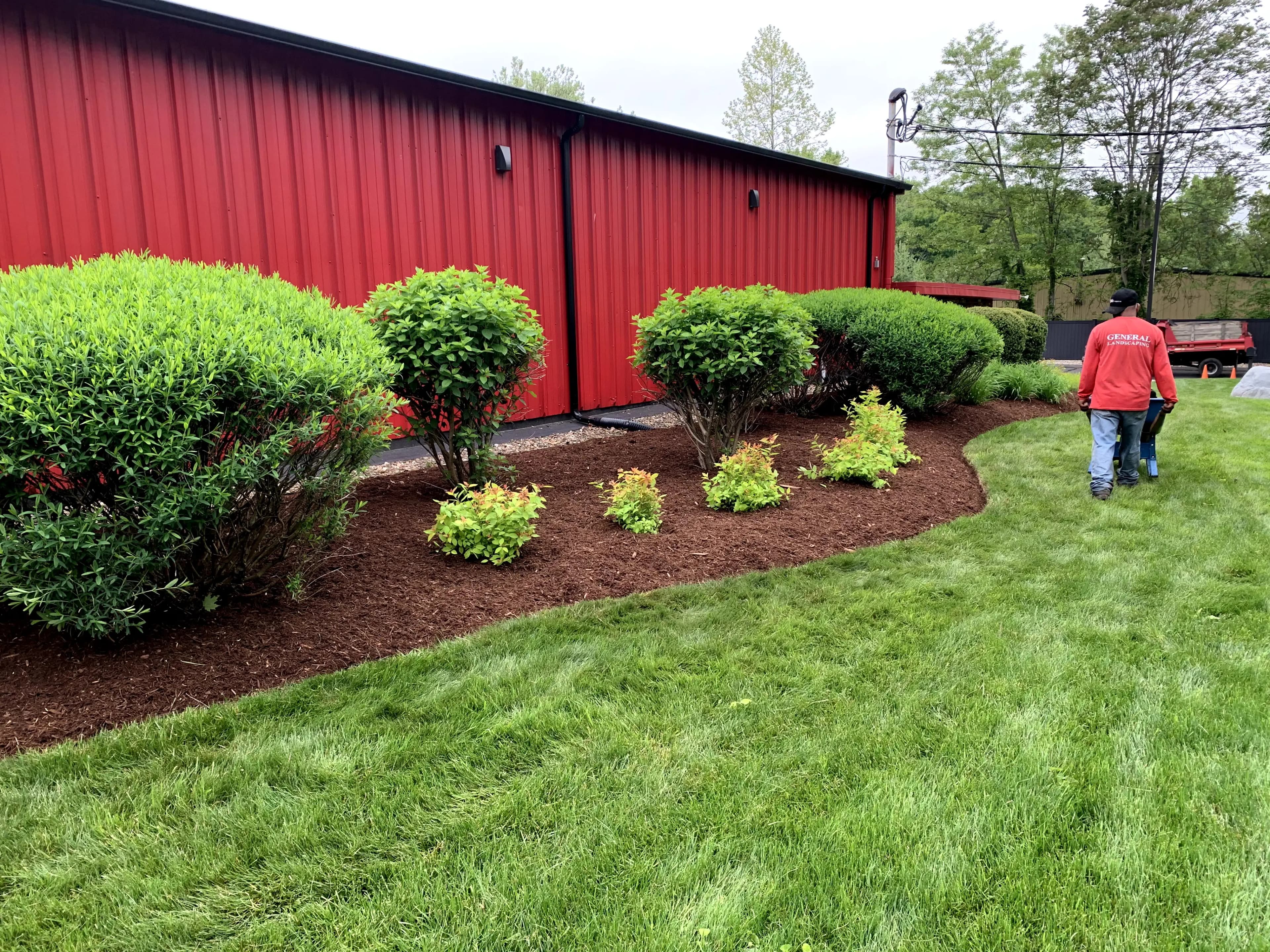
- Flowering shrubs like hydrangea, lilac, spirea, viburnum, and rose of Sharon
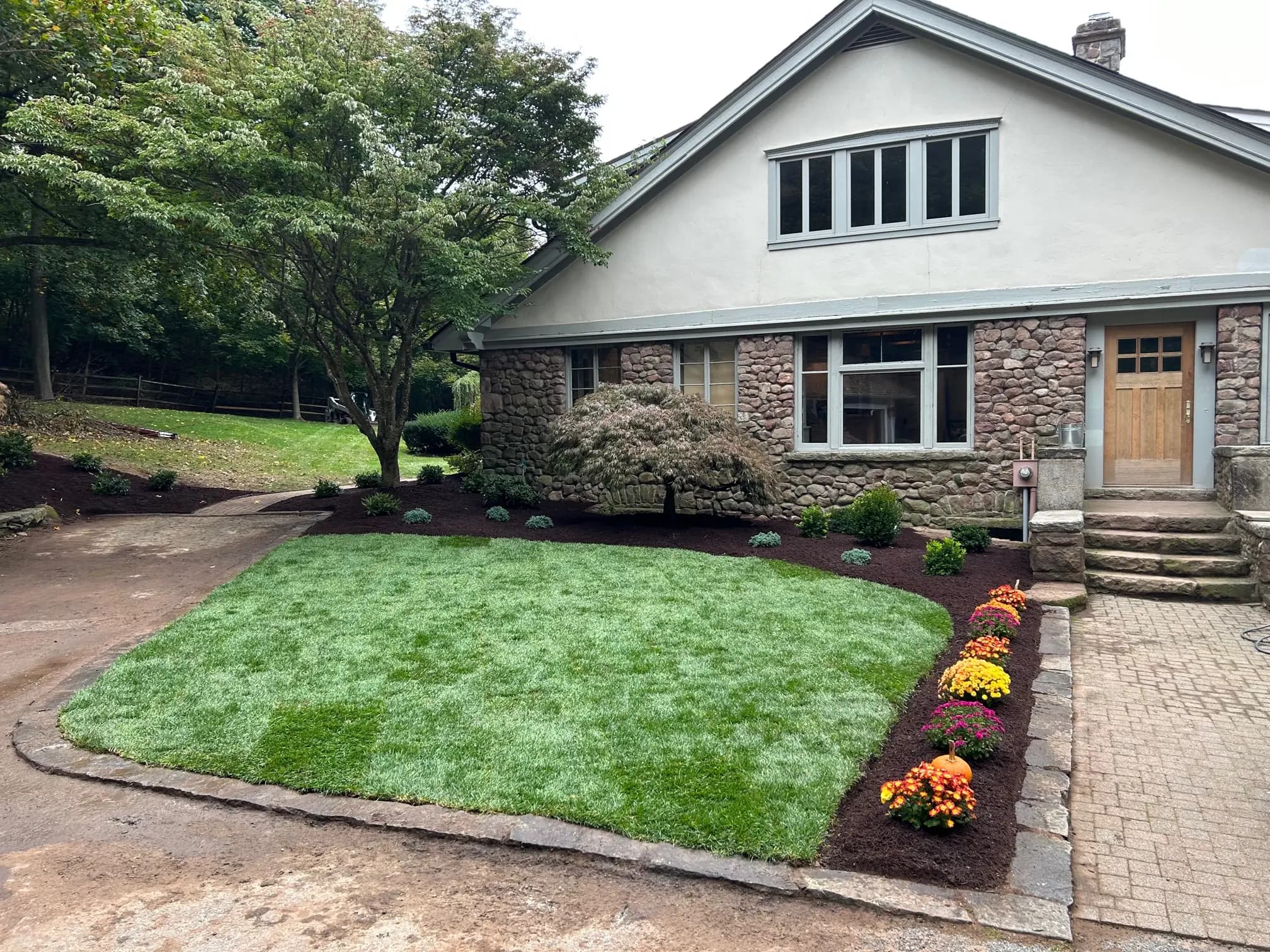
- Ornamental trees including Japanese maple, dogwood, crabapple, and serviceberry
- Formal hedges requiring precision shearing for clean geometric lines
- Perennial beds requiring seasonal cutbacks, deadheading, and division
- Overgrown specimens that need renovation pruning to restore manageable size and form
Timing Matters
One of the most common pruning mistakes homeowners make is cutting at the wrong time of year. Spring-blooming shrubs like lilac, forsythia, and azalea form their flower buds the previous summer ??? pruning them in fall or early spring removes the very growth that would have produced flowers. Summer-blooming varieties like panicle hydrangea and butterfly bush bloom on new growth and should be cut back in late winter or early spring. Evergreens have their own timing requirements based on growth cycle and species. Our crews know these distinctions and schedule pruning work accordingly, which means your plants bloom on schedule and maintain their health rather than being set back by poorly timed cuts.
Renovation Pruning for Overgrown Properties
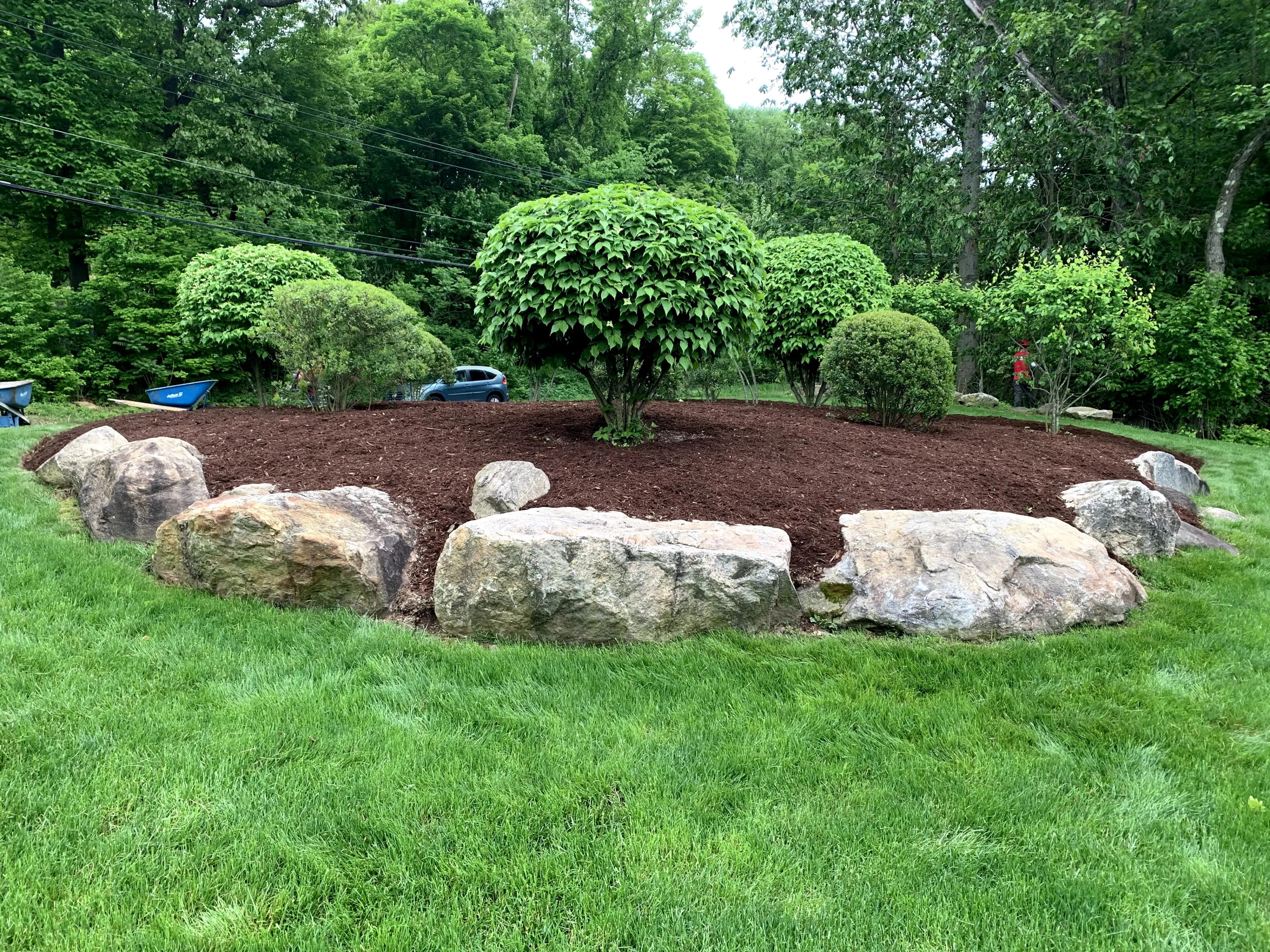
When shrubs have been neglected for years and have grown well beyond their intended size, standard pruning is not enough. Renovation pruning ??? sometimes called rejuvenation pruning ??? involves more aggressive reduction, sometimes cutting plants back to within a foot or two of the ground to stimulate fresh, compact growth from the base. Not every species tolerates this treatment, and it needs to be timed correctly to succeed.
If your shrubs are overdue for attention, contact General Landscaping at (860) 659-5757 to schedule service.
Our Pruning Gallery
Other Landscape Maintenance Services